Programming BasicsText from a prompt or form may look like a number without being a usable count. Learn how to trim, check, and convert input while rejecting blank values, decimals, negative numbers, and unsafe integers.
Read article · 3 min↗
Programming BasicsDestructuring lets you assign values from arrays and objects to variables in a compact way. Learn how positions, property names, renaming, and defaults work, with small examples you can run in Node.js.
Read article · 3 min↗
Programming BasicsLearn to test a small JavaScript function with Node.js’s built-in test runner. This beginner-friendly example covers setup, assertions, running the test, and using a failure to check your work.
Read article · 3 min↗
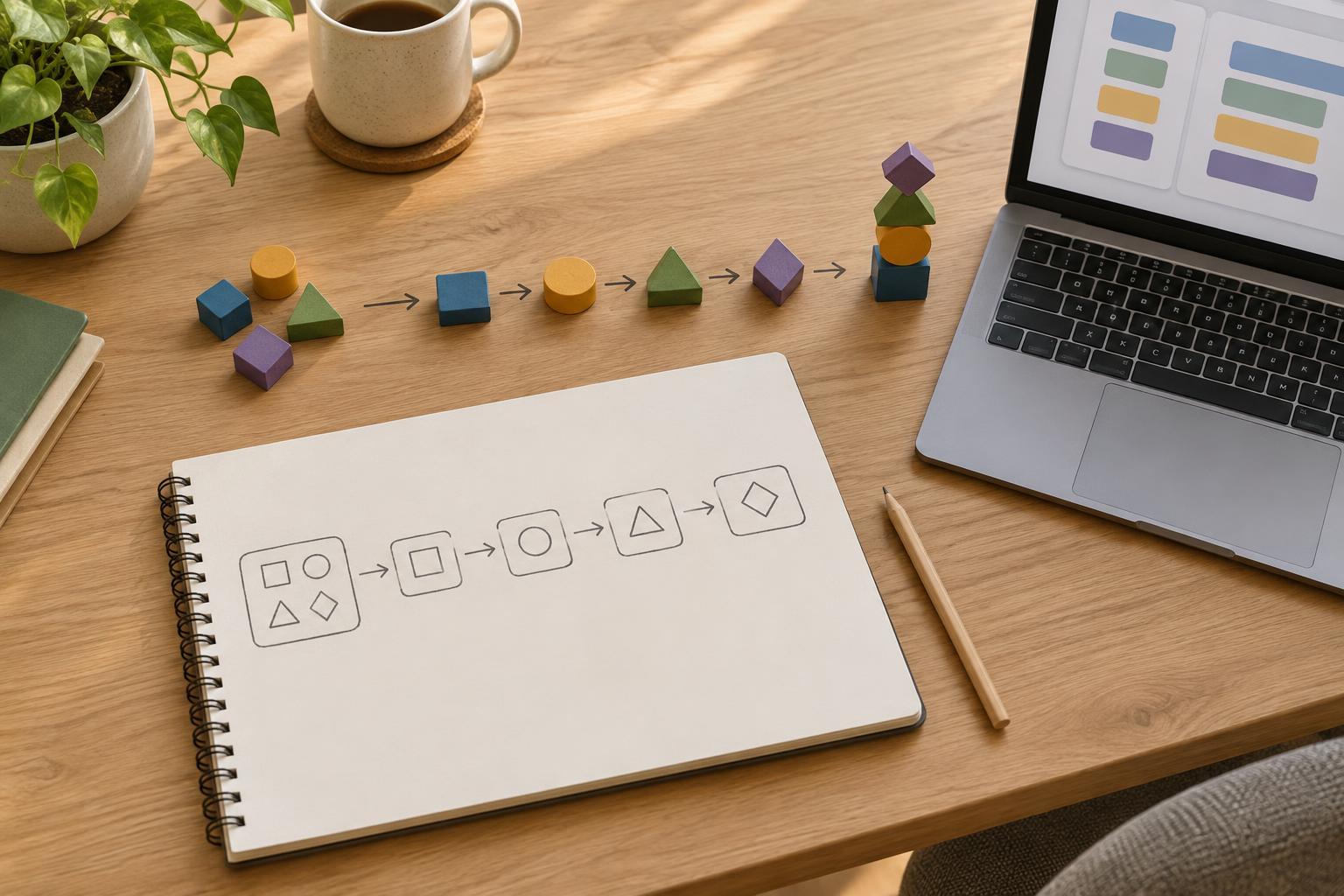
Programming BasicsPseudocode helps you plan a program before choosing the exact syntax of a language. Learn how to identify inputs and outputs, break a task into steps, write a simple algorithm, and check it with examples.
Read article · 4 min↗
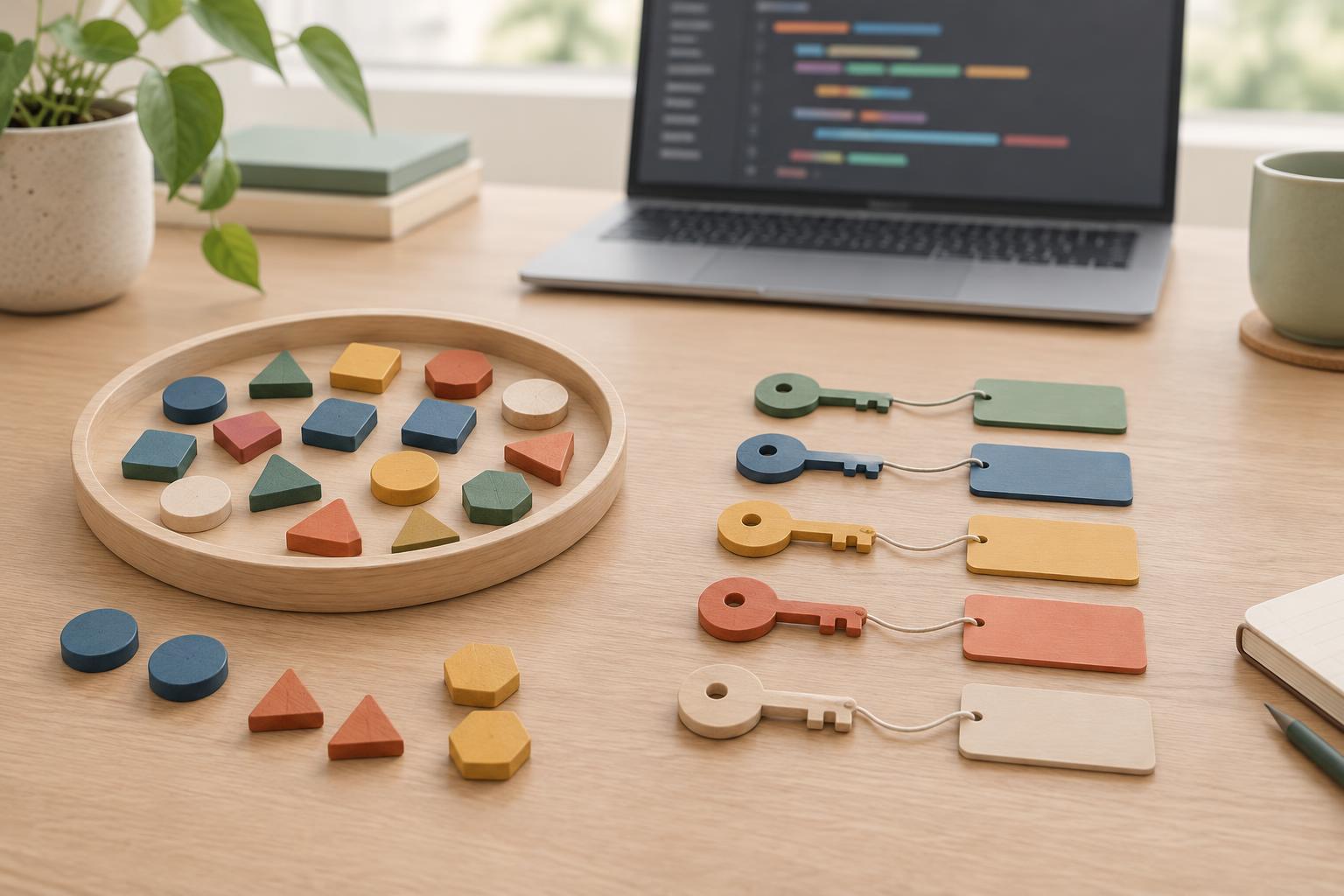
Programming BasicsSet and Map solve two common problems: keeping unique values and associating keys with values. Learn when each is useful, how they differ from arrays and objects, and what to watch for with object identity and insertion order.
Read article · 4 min↗
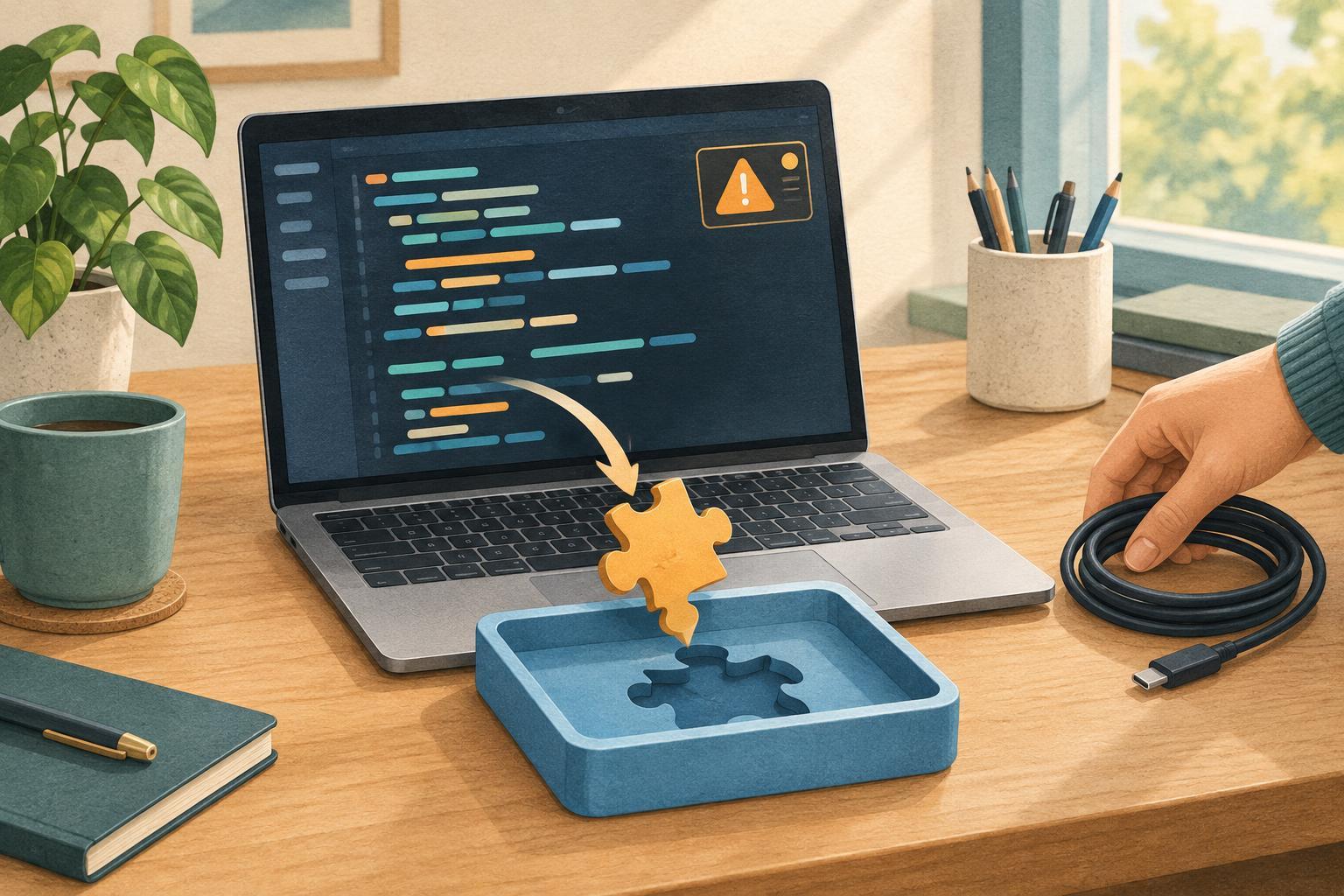
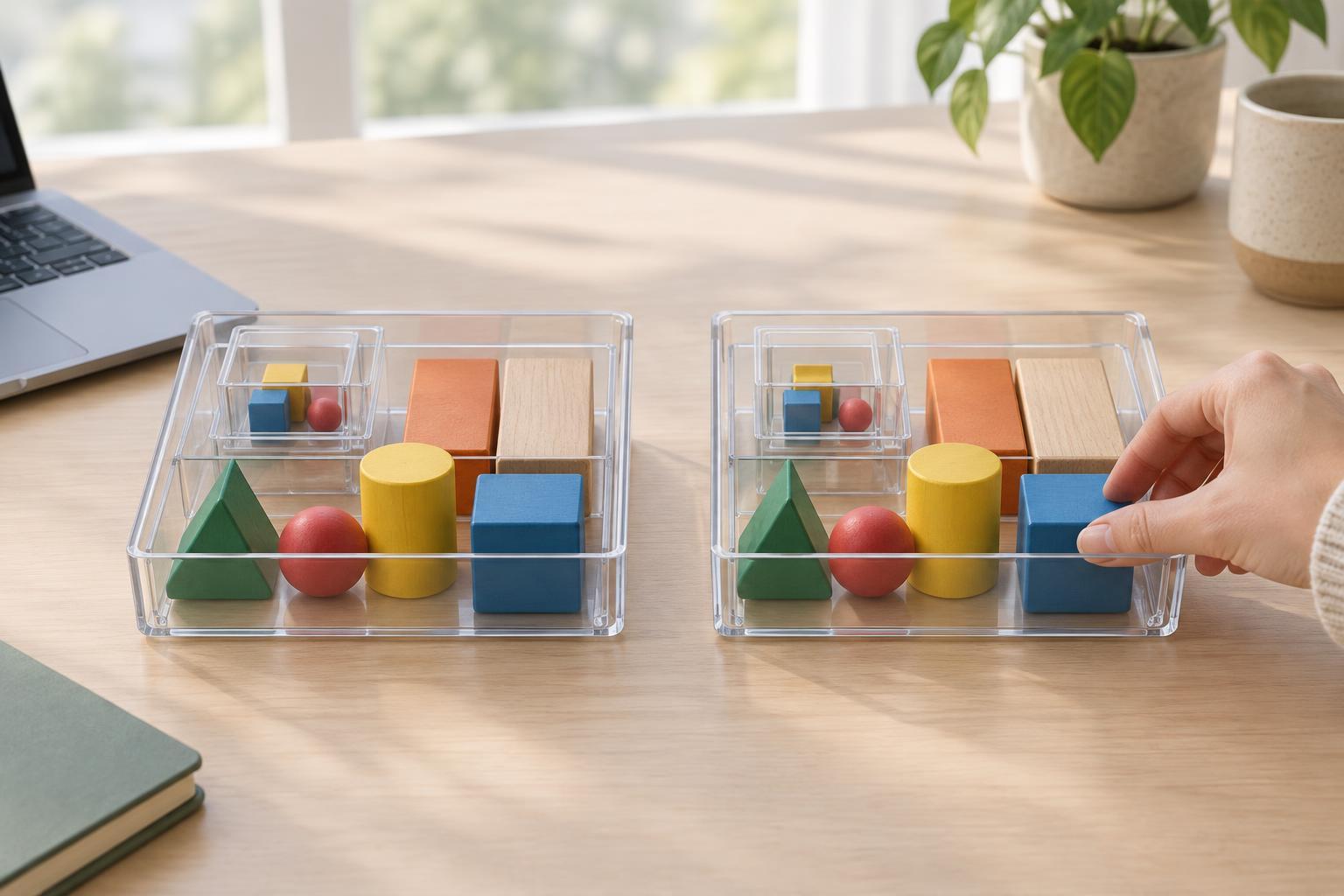
Programming BasicsAssigning an array or object to a new variable does not make a copy. Learn when to use spread syntax, how nested values can still be shared, and when a deeper copy is useful.
Read article · 4 min↗
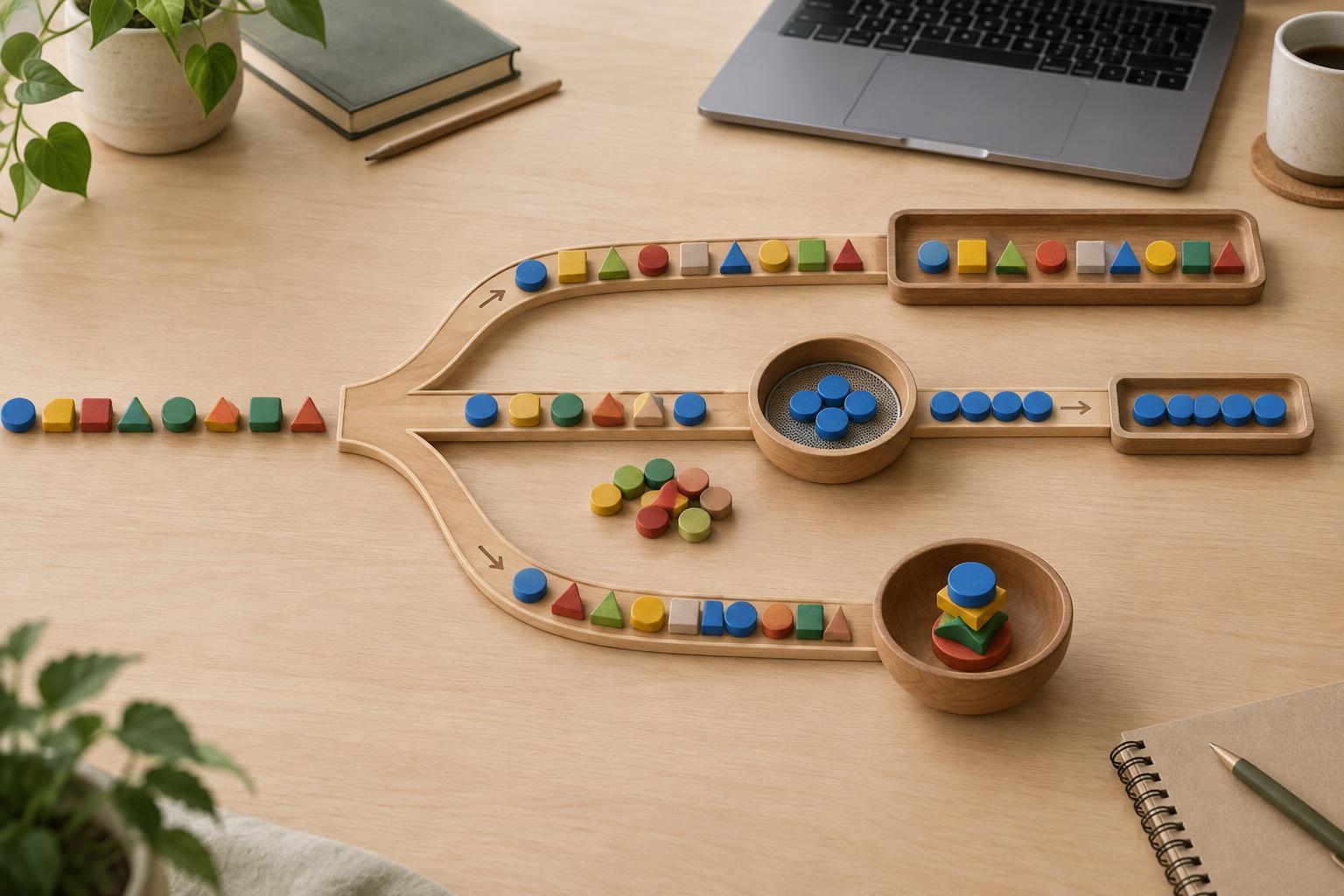
Programming BasicsMap transforms every item, filter keeps selected items, and reduce combines items into one result. Learn how to choose among them with small JavaScript examples, including a safe way to handle empty arrays.
Read article · 3 min↗
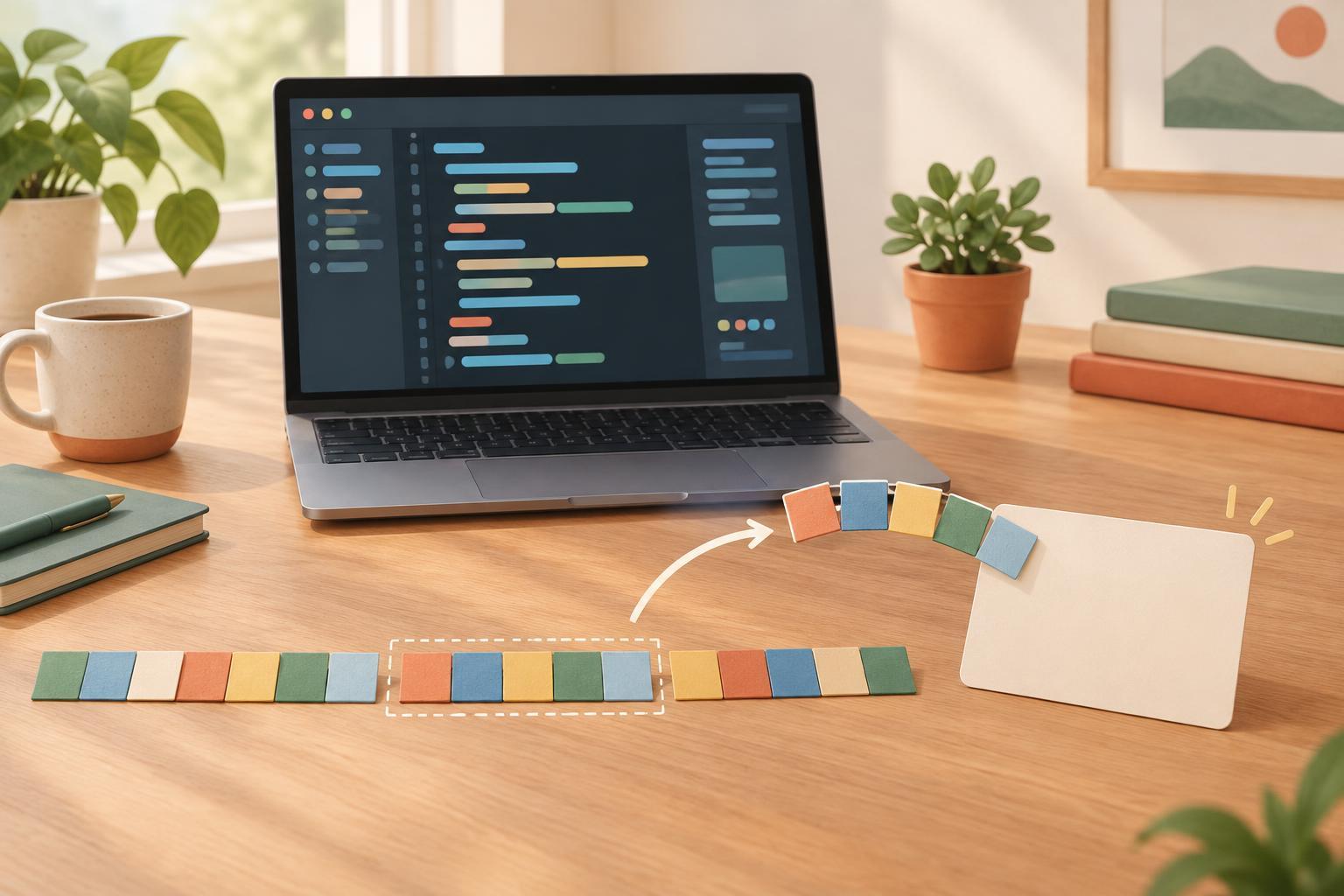
Programming BasicsLearn how to take part of a JavaScript string with slice() and build readable messages with template literals. Follow small examples, check the most common edge cases, and put both techniques together.
Read article · 4 min↗
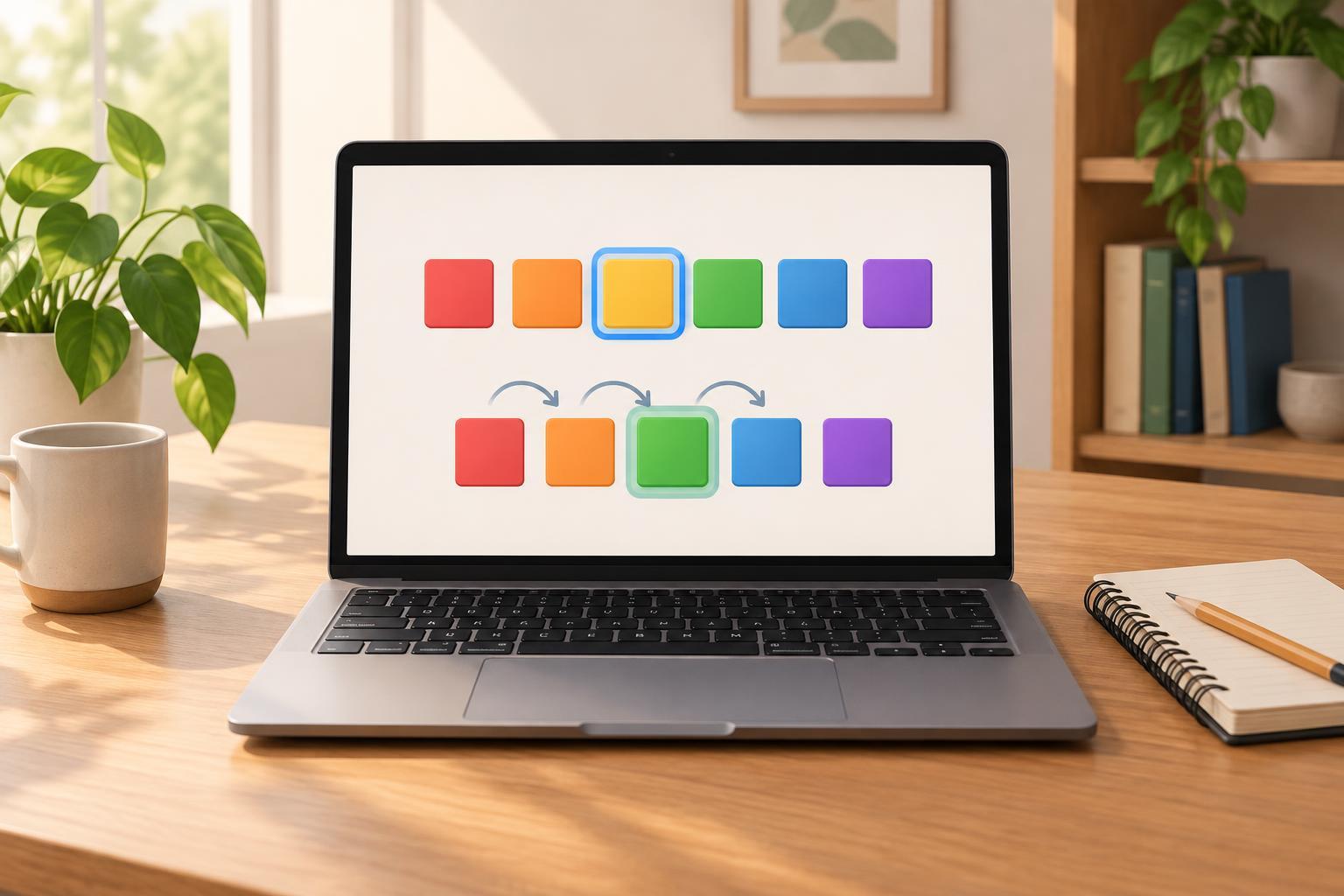
Programming BasicsLearn how to store a list in a JavaScript array, read and change its elements, and work through it with loops and array methods. Short examples show what happens with missing indexes, const arrays, and methods that return a new array.
Read article · 4 min↗

Programming BasicsScope determines where a JavaScript variable can be used. Learn how function scope, block scope, shadowing, and closures work, with small examples you can try in a browser console.
Read article · 4 min↗
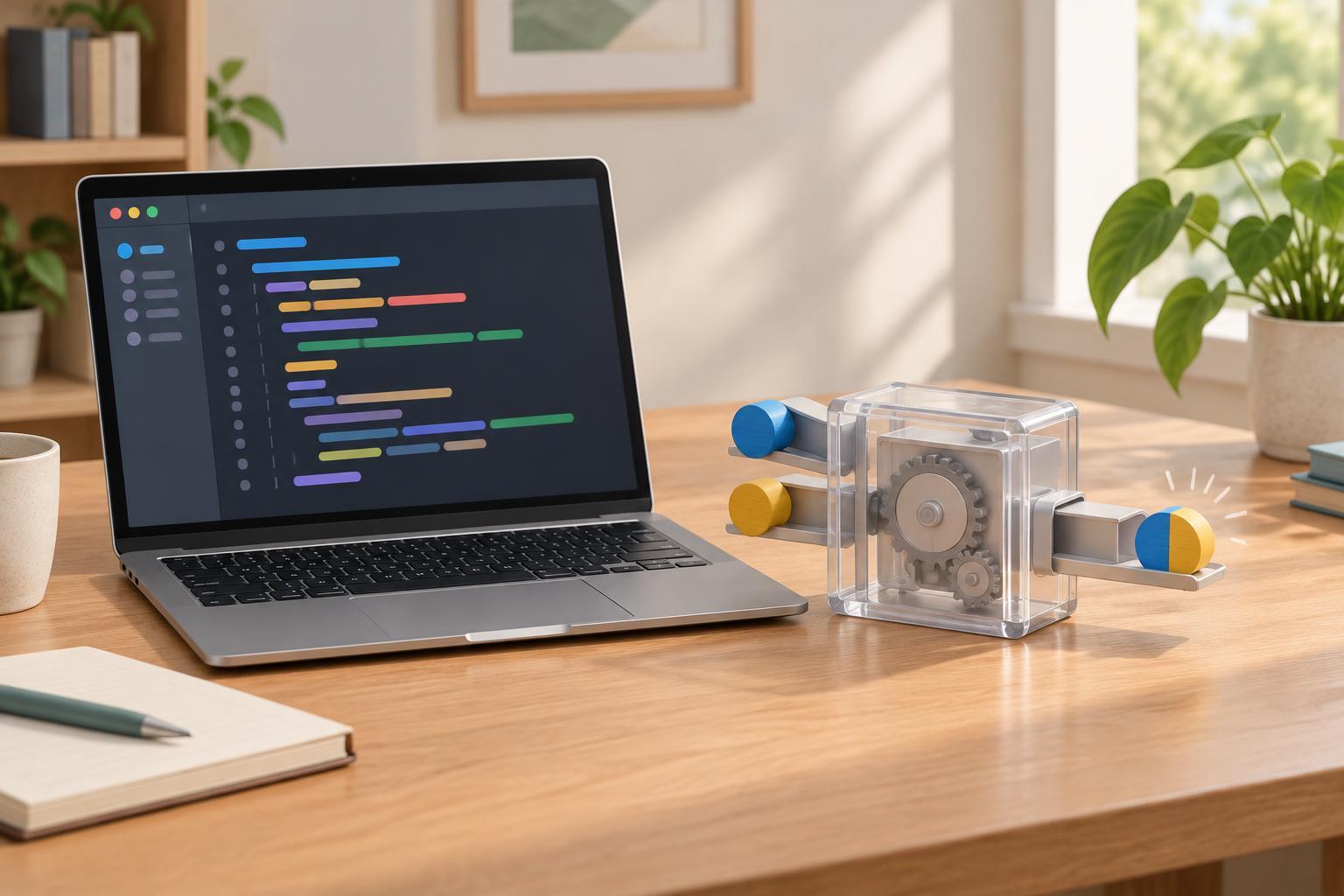
Programming BasicsLearn how JavaScript functions receive inputs and produce results. Follow small examples that distinguish parameters from arguments, show what return does, and help you check common mistakes.
Read article · 4 min↗

Programming BasicsJavaScript offers several ways to repeat work. Learn when a for loop, a while loop, or a for...of loop makes the clearest choice, with small examples and tips for avoiding loops that never end.
Read article · 4 min↗

Programming BasicsLearn how JavaScript chooses between actions with if, else if, and else. Follow a small example, see why the order of conditions matters, and practice checking boundary values.
Read article · 4 min↗

Programming BasicsJavaScript conditionals can evaluate values that are not booleans. Learn which values are falsy, why empty arrays and objects are truthy, and how to write checks that match what you actually mean.
Read article · 3 min↗

Programming BasicsIn JavaScript, = stores a value, while === checks whether two values are strictly equal. Learn how to read both operators, test them in a browser console, and avoid a common condition bug.
Read article · 4 min↗
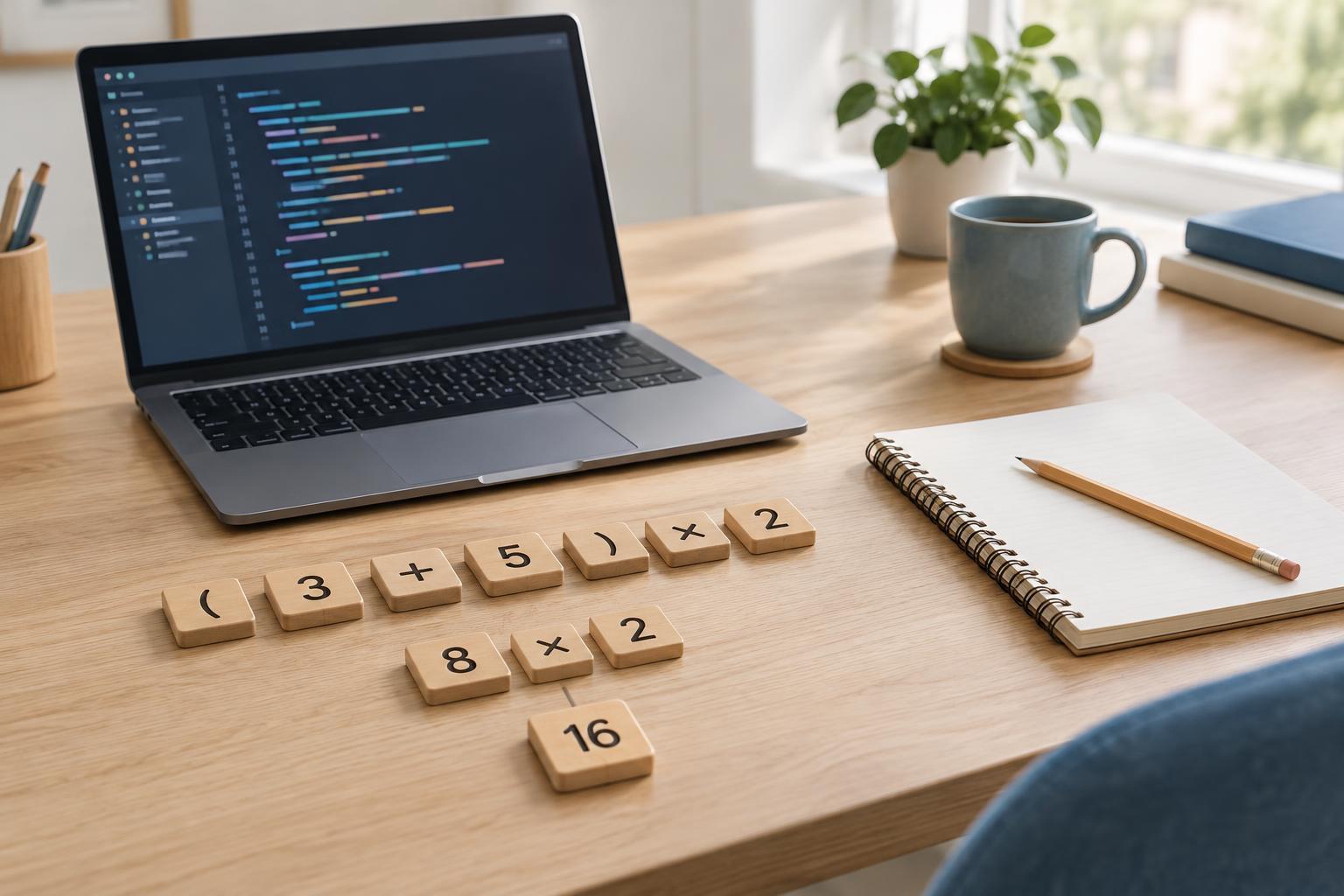
Programming BasicsLearn how JavaScript adds, subtracts, multiplies, divides, and groups calculations. Work through small examples of operator precedence, remainders, and common surprises such as string concatenation.
Read article · 4 min↗
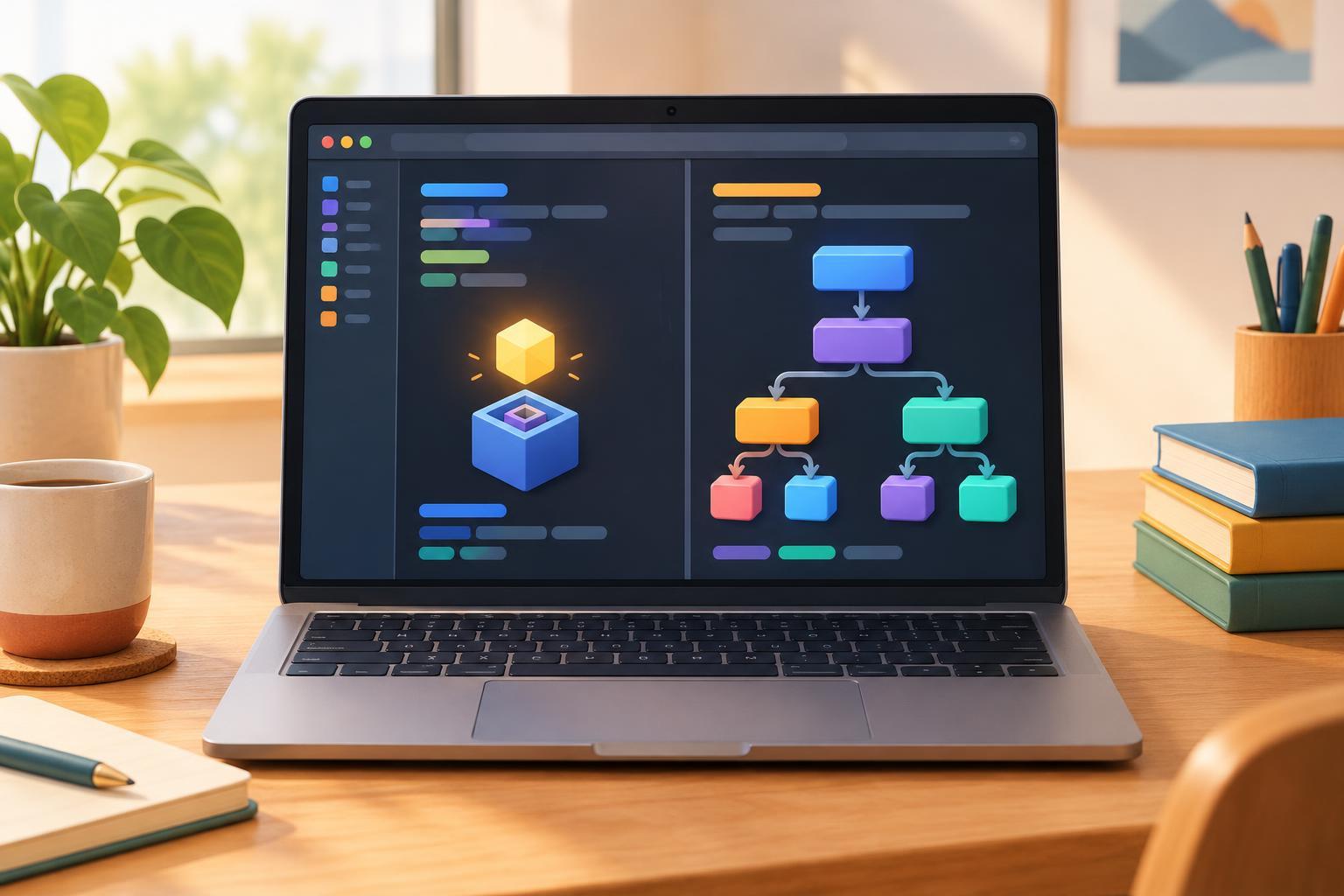
Programming BasicsJavaScript expressions produce values, while statements direct what a program does. Learn how to tell them apart in assignments, conditionals, functions, and the browser console.
Read article · 4 min↗
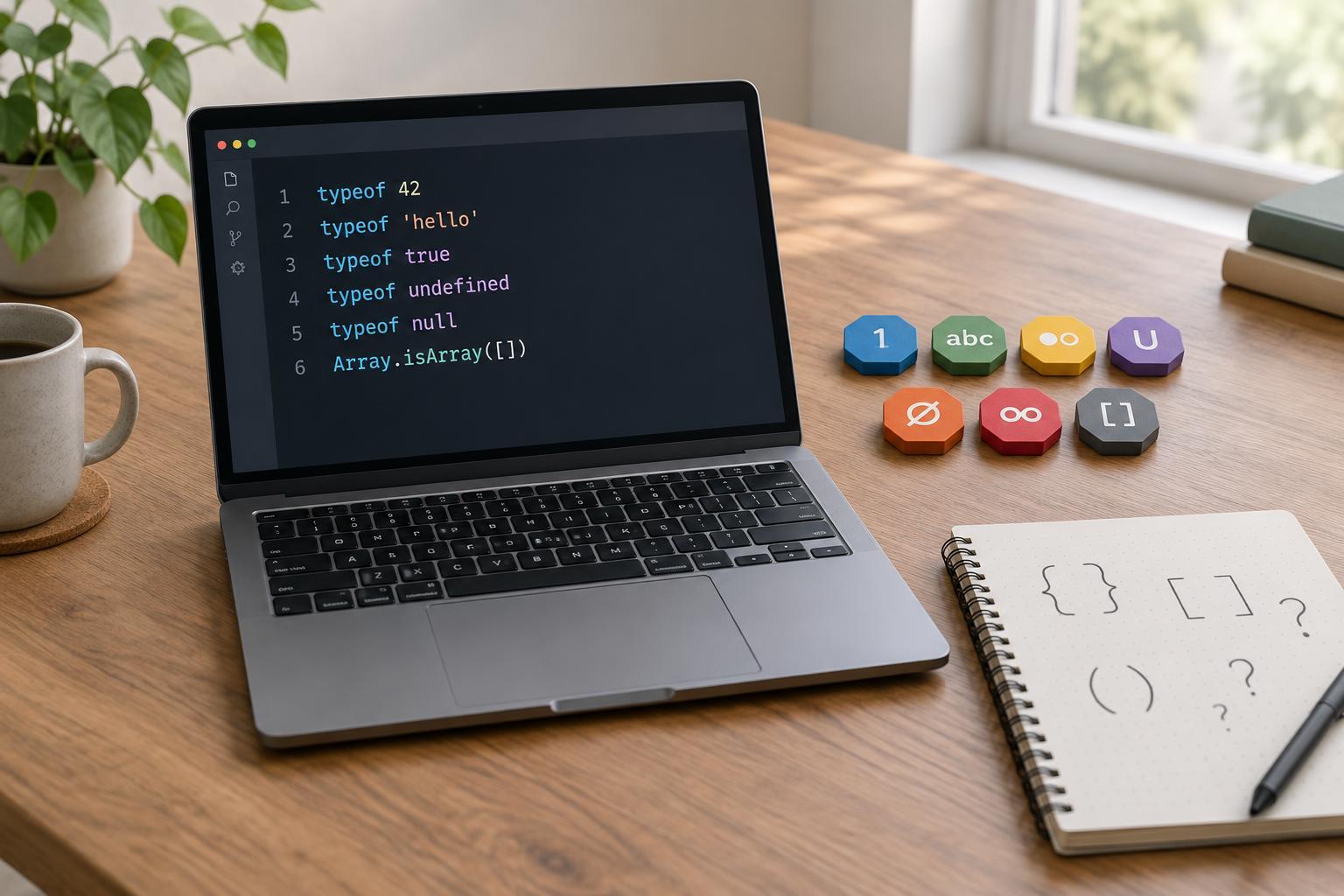

Programming BasicsLearn how let and const differ, why const does not make objects immutable, and how block scope affects both declarations. Short examples and a practical decision rule help you choose the right keyword.
Read article · 4 min↗